

We Caught A Gopher!
Should We Eat It?

DISCLAIMER: This post contains content related to wildlife management. We believe in responsible and ethical stewardship, and this content is presented to share our experiences with pest control, not to endorse or glorify animal cruelty. Discretion is advised for sensitive viewers. And if you are a Substack moderator please reach out to us in case this gets flagged!
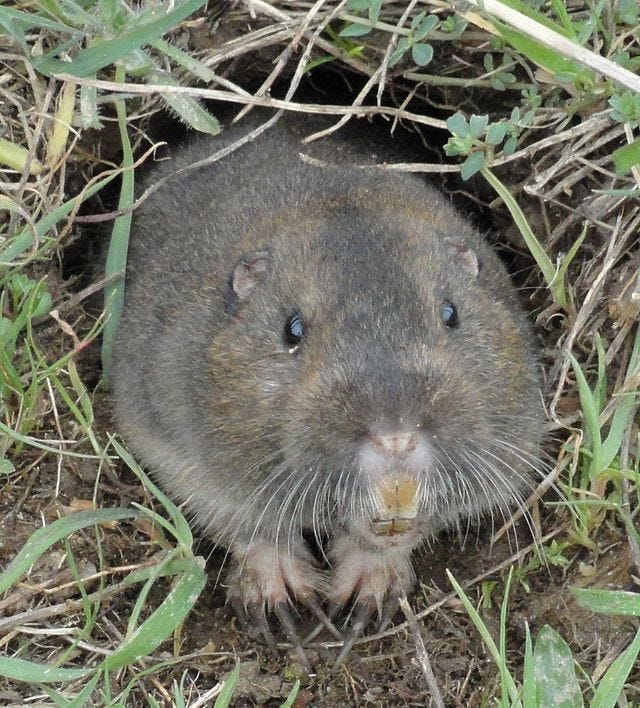
Life on a farm in Ticul, Yucatán, means rich limestone soil, tropical sun ☀️, and one relentless underground resident — the Hispid Pocket Gopher.
If you see fresh mounds 🕳️ or notice your young lemon trees 🍋 drooping overnight, the tuza likely paid a visit.
Their tunnels twist beneath mango trees 🥭 and citrus groves 🌱. Some farmers lose more saplings to gophers than to storms. Coconut palms 🥥 stand up better with tough, fibrous roots — but nothing is truly safe underground.
Ancient Tricks Meet New Tactics 🪤🌾🦉
Maya farmers have faced this pest for centuries. The traditional p’ojóché snare trap — a bent stick, wire, and native bait — still works in the right hands. Poisoned grain is used too, though risky for edible crops.
Modern traps do the job if you know your tunnels. Find a fresh mound, probe for the main run, set paired traps nose-to-nose, seal out the light, and check daily. One mistake and you’re feeding the gopher instead.
Wire baskets protect saplings, raised beds help too, and some farms add perches for owls 🦉 and snakes 🐍 — nature’s stealth hunters.
But no single fix works forever. It’s an endless contest that keeps farmers on their toes.
Tunnelers and a Local Dish 🍲🔥🌿
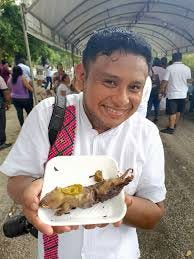
Some locals don’t just trap gophers — they cook them too. In parts of Yucatán, gopher meat is roasted over open coals or simmered into rustic stews.
One traditional method is to clean and marinate the meat with sour orange juice, garlic, oregano, and salt, then wrap it in banana leaves and slow-cook it underground like cochinita pibil.
Another common recipe is tuza in tomato stew: pieces browned in lard, stewed with tomatoes, onions, chili, and epazote until tender. 🌽🍖🥘
Builders Beneath Our Feet 🌱
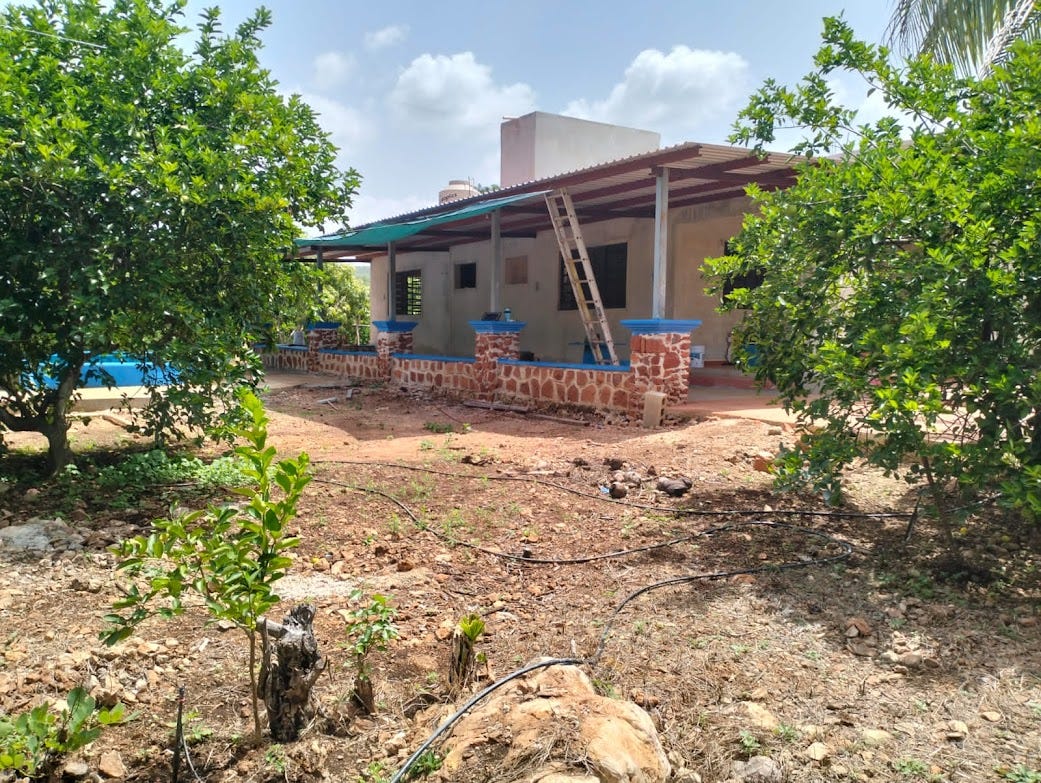
Gophers aren’t all bad. Their digging aerates and fertilizes the soil 🪨, bringing nutrients up from below.
It’s free tilling — but it comes at a cost when your roots become lunch.
Each tuza can shift two tons of earth a year, reshaping your orchard whether you like it or not.
My Take 🌞📝🍃
Integrated pest management 🌿 is the way forward: blend old traps, new barriers, natural predators, and fewer chemicals. It’s slower, but keeps soil healthy and trees alive.
Most mornings, you’ll find me checking traps at dawn, fixing root wounds, and swapping tips with neighbors. Some days the gopher wins. Some days I do. That’s farming in Ticul.
Got your own gopher story? Hard-won lessons? Drop a comment or reply — let’s outsmart these tunnelers together. 💪🐹🍋
If you liked this I’d appreciate a restack or a comment. That helps me improve the quality of my posts as well as getting to know more about you, my dear reader.
Muchas gracias!